
Weight Loss Injections in Navi Mumbai – Ozempic, Mounjaro & Wegovy

Doctor-Guided, Non-Surgical Weight Loss Treatment in Kharghar, Navi Mumbai
Struggling to lose weight despite following a healthy diet and regular exercise? Weight management can be challenging, especially when factors such as appetite regulation, hormonal changes, insulin resistance and metabolic health influence your progress.
At her clinic in Kharghar, Navi Mumbai, Dr. Gunjan Gangaraju offers personalised consultations for medical weight management, including prescription-based treatments such as Ozempic, Mounjaro and Wegovy when clinically appropriate.
These medications can help eligible patients manage hunger, reduce excess calorie intake and support meaningful weight loss alongside nutrition, physical activity and ongoing medical care.
Every treatment plan is developed after considering your health, current weight, medical history and individual goals.
Whether you want to understand your weight loss options or explore non-surgical obesity treatment in Navi Mumbai, a professional consultation can help you make an informed decision.
What Are Weight Loss Injections?
Weight loss injections are prescription medications used in the medical management of obesity and, for certain medicines, overweight associated with health complications.
Modern treatments such as semaglutide and tirzepatide work on hormonal pathways involved in appetite, fullness and blood sugar regulation.
Unlike cosmetic fat-reduction procedures that target specific areas, these medications support overall body weight reduction.
Commonly discussed injectable medications include:

Ozempic (Semaglutide): A GLP-1 receptor agonist primarily indicated for type 2 diabetes. It may also lead to weight loss, although its regulatory indication differs from Wegovy.
Mounjaro (Tirzepatide): A dual GIP and GLP-1 receptor agonist approved in India for certain adults requiring chronic weight management or treatment for type 2 diabetes.
Wegovy (Semaglutide): A semaglutide formulation specifically developed and approved for chronic weight management in eligible patients.
These injections are not shortcuts to weight loss. They are medical treatments that work best as part of a structured weight management programme.
How Do Weight Loss Injections Work?
GLP-1-based medications help regulate signals between the digestive system and the brain that influence hunger and feelings of fullness. Tirzepatide additionally acts on GIP receptors.
1. Appetite Control: Medications such as Ozempic, Mounjaro and Wegovy can reduce hunger signals, helping patients manage their appetite and daily food intake.
2. Reduced Food Cravings: Some patients experience fewer cravings and find it easier to follow structured meals and appropriate portion sizes.
3. Feeling Fuller for Longer: These medications can slow stomach emptying, particularly during the early stages of treatment, while influencing fullness signals. This may reduce the urge to eat frequently.
4. Improved Blood Sugar Regulation: Semaglutide and tirzepatide influence glucose-dependent insulin secretion and other pathways involved in blood sugar control. This can be particularly relevant for patients with type 2 diabetes.
5. Support for Overall Fat and Weight Reduction: By helping patients sustain a lower calorie intake, these treatments may promote gradual reductions in body weight and body fat. They do not directly dissolve fat cells or selectively remove fat from the abdomen, thighs or hips.
6. Better Support for Lifestyle Changes: When appetite becomes easier to manage, some patients find it more practical to follow nutrition recommendations, physical activity routines and long-term weight management habits.

Ozempic vs Mounjaro vs Wegovy – Which Weight Loss Injection Is Right for You?
Ozempic, Mounjaro and Wegovy are frequently discussed together, but they are not identical medications.
Each has different indications, formulations and treatment considerations.
| Feature | Ozempic | Mounjaro | Wegovy |
|---|---|---|---|
| Active ingredient | Semaglutide | Tirzepatide | Semaglutide |
| Drug mechanism | GLP-1 receptor agonist | Dual GIP/GLP-1 receptor agonist | GLP-1 receptor agonist |
| Main treatment focus | Type 2 diabetes | Type 2 diabetes and chronic weight management | Chronic weight management |
| Injection frequency | Typically once weekly | Typically once weekly | Typically once weekly |
| Weight loss potential | Can support weight reduction | Significant weight reduction demonstrated in clinical trials | Significant weight reduction demonstrated in clinical trials |
| Medical consultation | Required | Required | Required |
How Is the Right Injection Selected?
The appropriate treatment depends on several factors, including:
Current BMI and waist circumference
Weight-related medical conditions
Diabetes and metabolic health
Previous weight loss attempts
Existing medications and medical history
Potential side effects and contraindications
Treatment affordability and long-term suitability
At Dr. Gunjan Gangaraju’s clinic in Kharghar, Navi Mumbai, patients can discuss these differences and understand which treatment options may be suitable for their individual health requirements.
Important: Ozempic, Mounjaro and Wegovy should not be combined or switched without an appropriate prescribing clinician's guidance.
Benefits of Weight Loss Injections
For eligible patients, prescription weight loss injections may offer several advantages when combined with a healthy lifestyle.
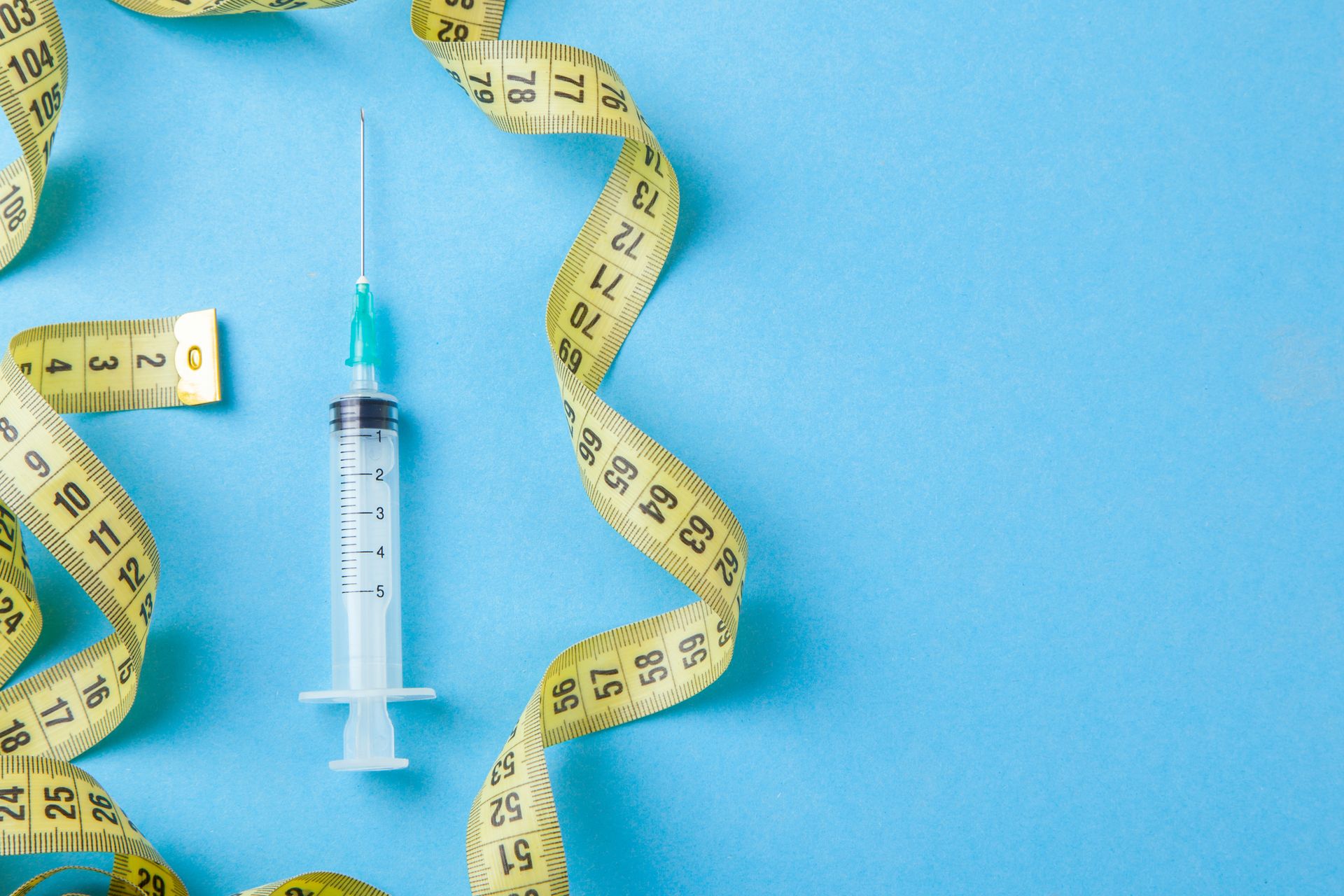
Non-Surgical Weight Management: Weight loss injections do not require surgery, general anaesthesia or a hospital admission.
Clinically Supported Weight Reduction: Clinical studies have demonstrated meaningful weight reduction with appropriate semaglutide and tirzepatide regimens, although individual responses vary.
Better Appetite Management: Reduced hunger and improved fullness may help patients maintain a calorie-controlled eating plan.
Potential Metabolic Health Benefits: Weight reduction may improve certain weight-related health markers, including blood pressure, blood glucose and other metabolic risk factors.
Convenient Treatment Schedule: Many commonly prescribed injectable weight management medications are administered once weekly, following appropriate training and prescribing instructions.
Personalised Medical Monitoring: Regular follow-up helps assess weight changes, tolerability, nutrition, treatment response and the need for adjustments.
Why Choose Weight Loss Injections from Dr. Gunjan Gangaraju?
Choosing a weight loss treatment involves more than selecting an injection. Medical evaluation, appropriate prescribing and consistent follow-up are important for managing potential risks and supporting sustainable progress.
Dr. Gunjan Gangaraju offers personalised weight management consultations at her clinic in Kharghar, Navi Mumbai.
Individual Assessment: Your consultation considers body weight, medical history, weight-related conditions, lifestyle and treatment goals.
Non-Surgical Treatment Options: Eligible patients can discuss prescription medications such as Ozempic, Mounjaro and Wegovy without needing a surgical procedure.
Tailored Treatment Planning: Medication selection and treatment planning are guided by clinical suitability rather than relying on a single approach for every patient.
Safety-Focused Care: Possible side effects, precautions, contraindications and follow-up requirements are discussed before starting an appropriate treatment.
Long-Term Weight Management Guidance: Nutrition, physical activity and weight-maintenance habits remain important parts of the treatment approach.
What to Expect During Your Weight Loss Injection Appointment?
If you are considering weight loss injections in Navi Mumbai, understanding the consultation and treatment process can help you prepare.
Step 1: Initial Consultation: During your first appointment, Dr. Gunjan Gangaraju discusses your weight concerns, previous weight loss efforts, medical history and personal goals. The consultation may include an assessment of BMI, waist circumference, existing medical conditions and current medication use.
Step 2: Health and Metabolic Evaluation: Depending on individual requirements, relevant investigations may be recommended to assess metabolic health or identify factors contributing to weight gain. Not every patient needs the same tests.
Step 3: Personalised Weight Loss Plan: Based on the assessment, suitable treatment options are discussed. If medication is appropriate, the plan may include an eligible prescription injection, nutrition recommendations, activity guidance and a monitoring schedule.
Step 4: Injection Guidance and Treatment: Patients prescribed an injectable medication receive instructions regarding dosage, administration, storage and safety precautions. Many medications can be self-administered at home after appropriate training.
Step 5: Follow-Up and Progress Monitoring: Follow-up visits help assess weight changes, side effects, food intake, hydration, treatment adherence and progress towards agreed health goals. Dose adjustments are made only when clinically indicated.
Who Can Benefit from Weight Loss Injections?
Weight loss injections may be considered for adults who meet the medical eligibility criteria for a particular medication.
Potential candidates include:
People Living with Obesity: Adults whose body weight and health assessment indicate that prescription weight management treatment may be beneficial.
People with Overweight and Related Health Conditions: Some medications are approved for adults with a BMI of 27 or above and at least one weight-related health condition, subject to the product's approved criteria.
People Struggling with Weight Management: Individuals who have made sustained nutrition and exercise efforts but continue to face challenges managing excess body weight.
People with Weight-Related Metabolic Concerns: Patients with conditions such as type 2 diabetes, high blood pressure or abnormal cholesterol levels may benefit from an assessment of suitable weight management options.
People with PCOS and Weight Concerns: Some women with PCOS experience additional weight management challenges. Treatment decisions should consider metabolic health, pregnancy plans and the individual's medical requirements.
Busy Professionals: Once-weekly injectable options may be convenient for eligible patients, but convenience alone is not a reason to prescribe them.
These treatments are generally not intended for someone seeking to lose a small amount of weight solely for cosmetic reasons.
Are Weight Loss Injections Effective?
Yes. Clinical research supports the effectiveness of certain prescription weight loss injections for eligible patients living with obesity or overweight-related medical conditions.
For example, clinical trials of semaglutide 2.4 mg have demonstrated an average body weight reduction of approximately 15% over 68 weeks in studied populations without diabetes, alongside lifestyle intervention.
In trials of tirzepatide, average weight reductions varied by dose and study population, with some groups achieving approximately 15–21% weight loss over 72 weeks.
These figures reflect clinical trial averages and should not be interpreted as guaranteed individual results. The amount of weight lost depends on factors such as the medication, dose, treatment duration, baseline health, nutrition and adherence.
How Soon Can You See Results?
Some patients notice changes in appetite during the first few weeks. However, visible changes in body weight may take longer.
Weight loss generally develops progressively over several months, particularly as medication doses are adjusted.
Regular medical review is important to assess whether the treatment is providing sufficient benefit.
Are Weight Loss Injection Results Permanent?
Weight loss achieved with prescription injections can be maintained, but the results are not automatically permanent.
Obesity is often a long-term condition, and some people regain weight after stopping medication.
Maintaining progress may require:
Balanced, sustainable nutrition
Regular physical activity and strength training
Adequate sleep and stress management
Monitoring of weight and metabolic health
Ongoing medication, when clinically appropriate
A personalised long-term weight maintenance strategy
Dr. Gunjan Gangaraju can discuss appropriate follow-up and weight maintenance planning based on the individual's treatment response.
Do not stop, restart or change prescription medication without medical advice.
Are Weight Loss Injections Safe? Possible Side Effects and Precautions
Prescription weight loss injections can be effective for suitable patients, but like all medications, they may cause side effects.
Common side effects include:
Nausea or vomiting
Constipation or diarrhoea
Abdominal discomfort
Bloating or indigestion
Reduced appetite
Some individuals may experience more serious complications, including gallbladder problems, pancreatitis, dehydration-related kidney problems or low blood sugar when certain diabetes medications are used together.
Who Should Avoid or Take Extra Precautions?
These medications may not be suitable for everyone. A detailed medical assessment is especially important for people who:
Are pregnant, breastfeeding or planning pregnancy
Have a personal or family history of medullary thyroid carcinoma or MEN2, which are contraindications for relevant medications
Have a history of pancreatitis or serious gastrointestinal problems
Have significant kidney or gallbladder concerns
Are using insulin or other glucose-lowering medication
Have experienced serious allergic reactions to related medicines
Persistent severe abdominal pain, repeated vomiting or symptoms of a severe allergic reaction require prompt medical attention.
A qualified prescriber should review the product-specific precautions and contraindications before treatment.
What Is the Cost of Weight Loss Injections in Navi Mumbai?
The cost of weight loss injections in Navi Mumbai varies depending on the prescribed medication, dosage, treatment duration and follow-up requirements.
Several factors may influence the overall expense:
Medication selected: Ozempic, Mounjaro and Wegovy have different pricing structures.
Prescribed dosage: Some treatment plans require gradual dose adjustments.
Treatment duration: Weight management medication may be required for an extended period.
Medical assessments: Consultations, investigations and monitoring may add to the overall cost.
Follow-up visits: Regular evaluations may be needed to assess progress and tolerability.
At Dr. Gunjan Gangaraju’s clinic in Kharghar, Navi Mumbai, patients can discuss potential treatment expenses during their consultation.
The most appropriate medication should be chosen based on clinical suitability, not solely on its price.
Why Dr. Gunjan Gangaraju for Weight Loss Injections in Navi Mumbai?
If you are considering medical weight loss treatment in Navi Mumbai, selecting a healthcare professional who evaluates your overall health is an important first step.
Dr. Gunjan Gangaraju is an aesthetic and regenerative medicine physician practising in Kharghar, Navi Mumbai. Her clinic provides consultations for patients exploring non-surgical weight management and prescription injectable treatments.
Her approach focuses on:
Personalised Consultations: Understanding individual weight concerns, lifestyle factors and health goals.
Medical Treatment Planning: Discussing suitable options such as Ozempic, Mounjaro and Wegovy when appropriate.
Patient Education: Helping individuals understand expected benefits, possible side effects and treatment limitations.
Progress Monitoring: Reviewing treatment response and making clinically appropriate adjustments.
Long-Term Health Goals: Encouraging sustainable nutrition, physical activity and continued weight management.
Patients searching for weight loss injections in Kharghar or Navi Mumbai can schedule a consultation to discuss available treatment options and their eligibility.
Book Your Weight Loss Injection Consultation in Navi Mumbai
Taking the first step towards weight management begins with understanding your options.
If you are exploring Ozempic, Mounjaro or Wegovy injections for weight loss, consult Dr. Gunjan Gangaraju at her clinic in Kharghar, Navi Mumbai.
A consultation can help determine whether prescription weight loss injections are appropriate for your health, goals and medical history.
Clinic details
Dr. Gunjan Gangaraju – Kharghar, Navi Mumbai
First Floor, Shop No. 74–77, Chaturbhuj HSG, Plot No. 61, Sector 21, Kharghar, Navi Mumbai – 410210
Phone: +91 7700960477